

Pro-Biodiversity Brand
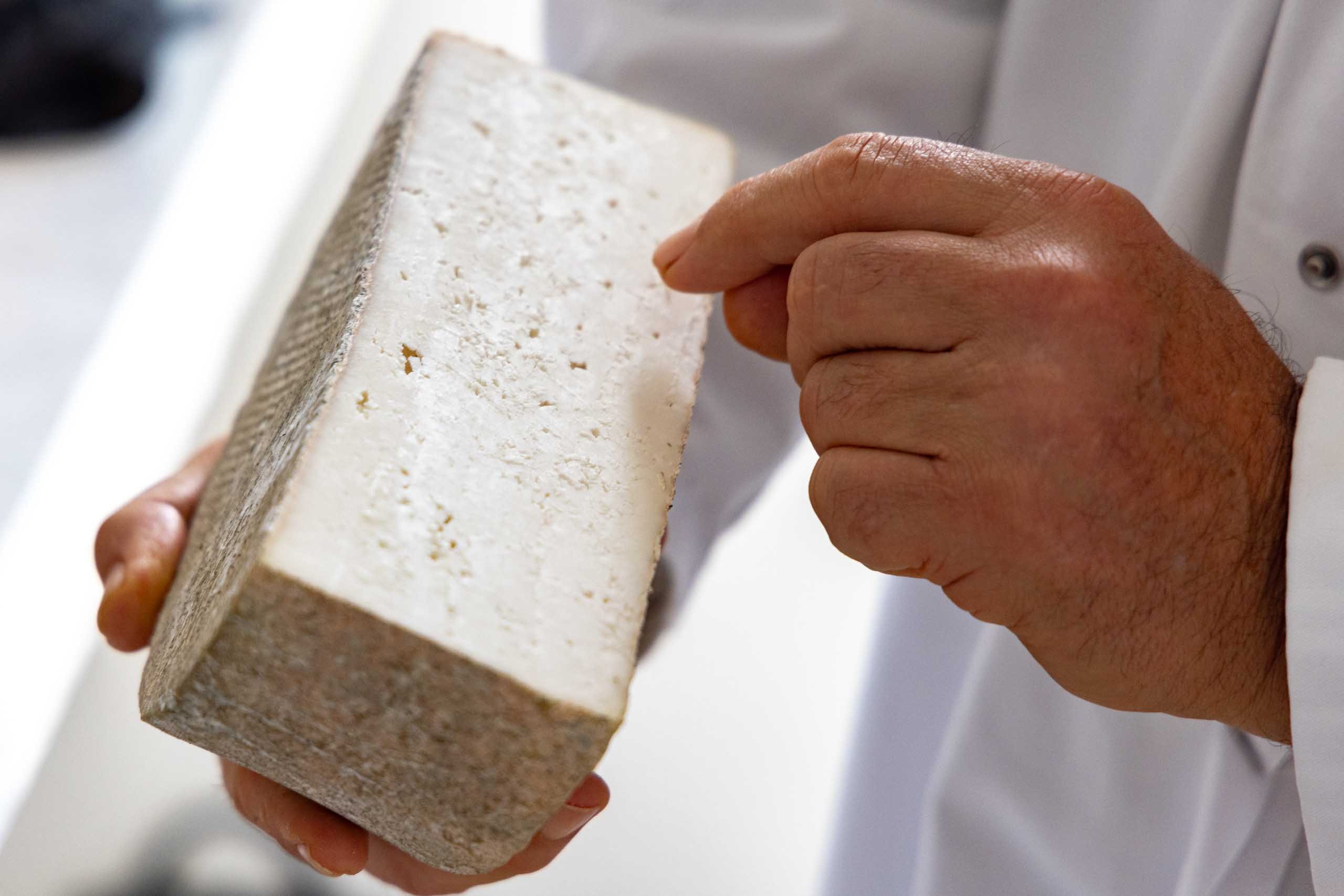
Mountain Cheese
Raw goat’s milk from pasture-raised goats, produced by the last goat herders of the Sierra de Gredos.
Extensive livestock farming · Sierra de Gredos
A cheese that preserves landscape, biodiversity and rural life
Mountain Cheese is made with raw goat’s milk from grazing goats, sourced from small family farms on the southern slopes of the Sierra de Gredos Regional Park.
All the flocks graze in protected areas. They are native goat breeds, mostly Verata, adapted to the environment and traditional mountain management practices.
Extensive livestock farming maintains
220-250
goats per family flock
4 months
of refining in cellar
15
Goatherds resist in Gredos
From the mountain to the wine cellar
A traditional, controlled process with a real impact
01
Grazing in protected areas
The goats go out into the mountains and take advantage of the natural resources of the Sierra de Gredos, keeping alive an extensive management system that is in danger of disappearing.
02
Selective milk collection
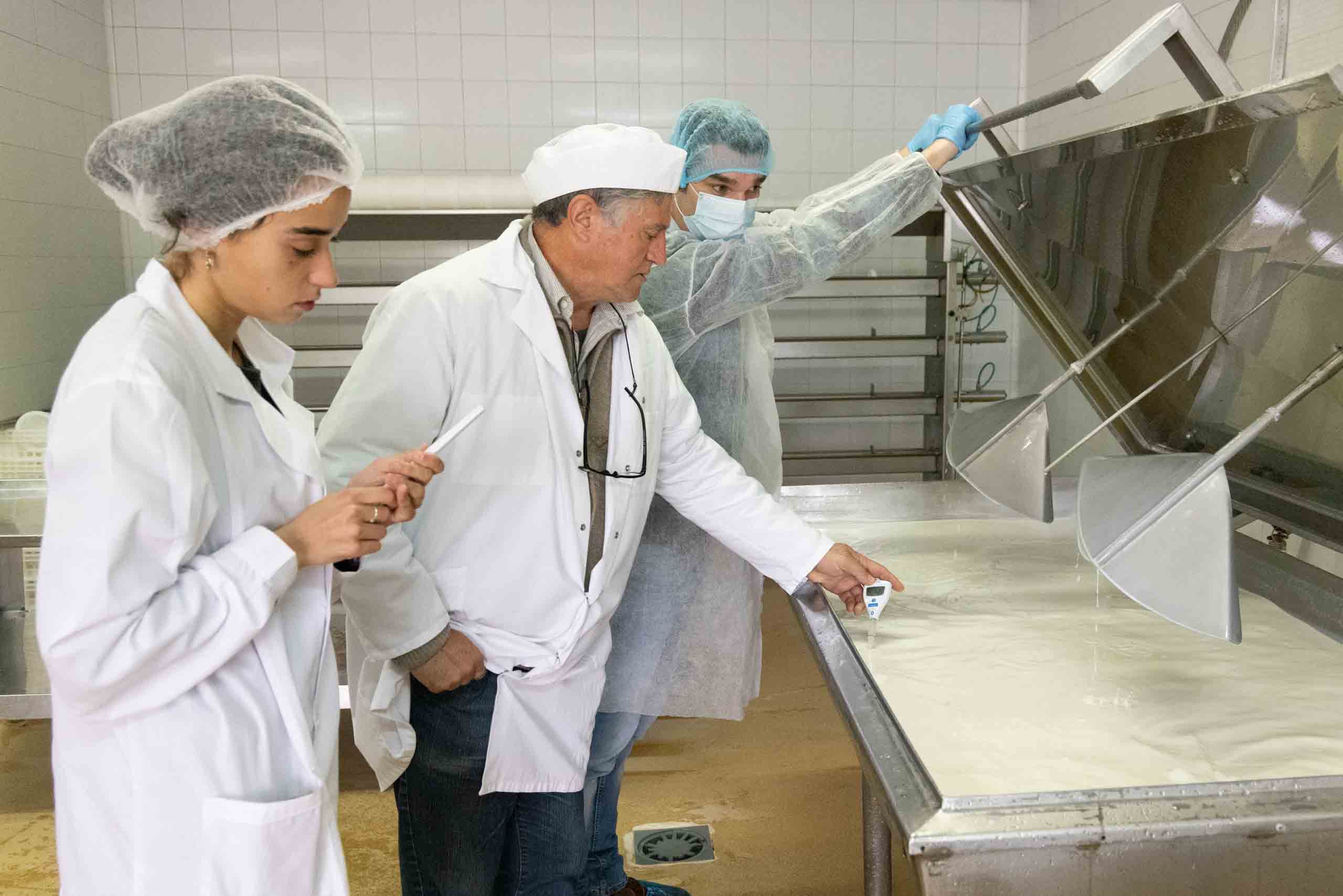
The Candeleda Goat Farmers Cooperative collects milk separately to guarantee its origin and traceability.
03
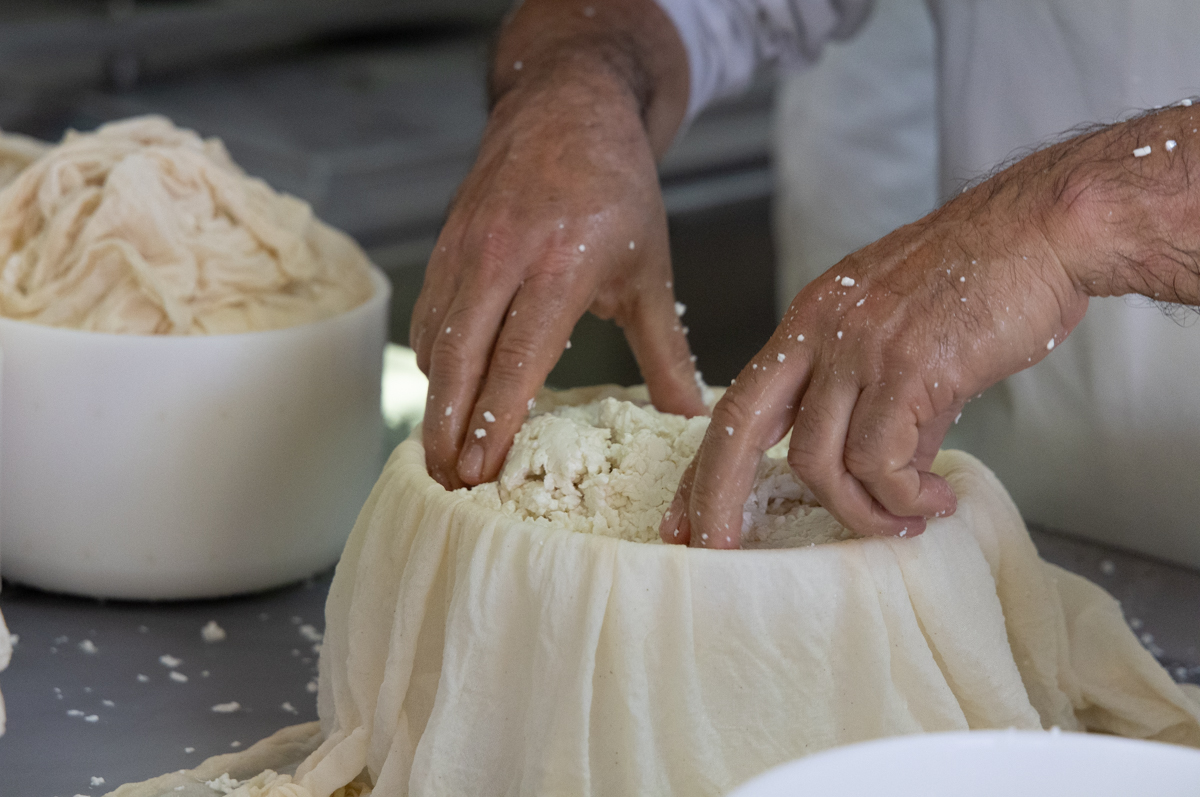
Artisanal elaboration
The cheese is made with raw goat’s milk, lactic ferments, natural kid rennet and salt, following a recipe by the affineur José Luis Martín.
04
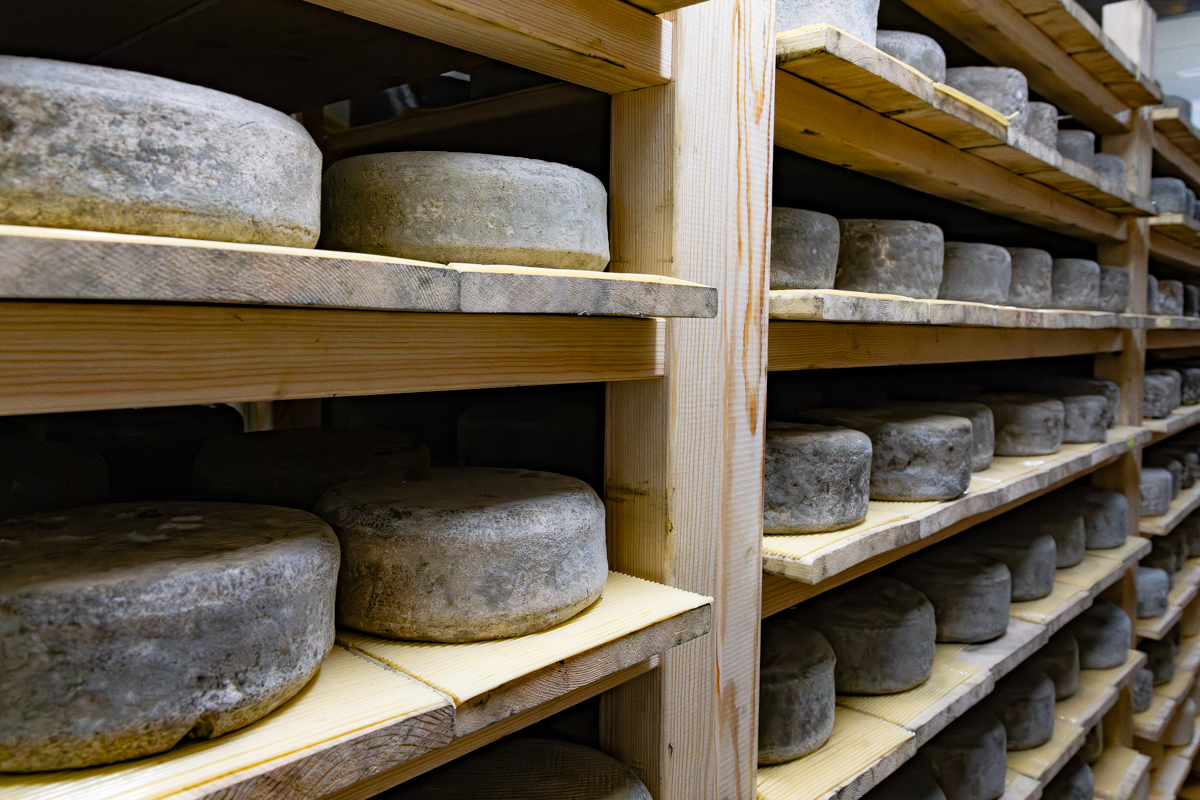
Fine-tuned in a cellar
For four months, the cheese develops its characteristic texture, aromas and flavor through a slow and traditional aging process.
Social economy and conservation
Buying this cheese helps to ensure that grazing continues
The entire process, from when the goats are taken to the mountains to the marketing of the cheese, is overseen by the Bearded Vulture Conservation Foundation and audited by an independent certification body.
The profits generated by the Mountain Cheese are used to improve the farmers’ income and quality of life, thus ensuring the continuity of this traditional activity.