

Pro-Biodiversity
Pro-Biodiversity is developing a more beneficial and profitable marketing model for livestock farmers operating under traditional extensive systems, offering them fairer prices in line with the quality of their production and the uniqueness of their work processes.
Biodiversity
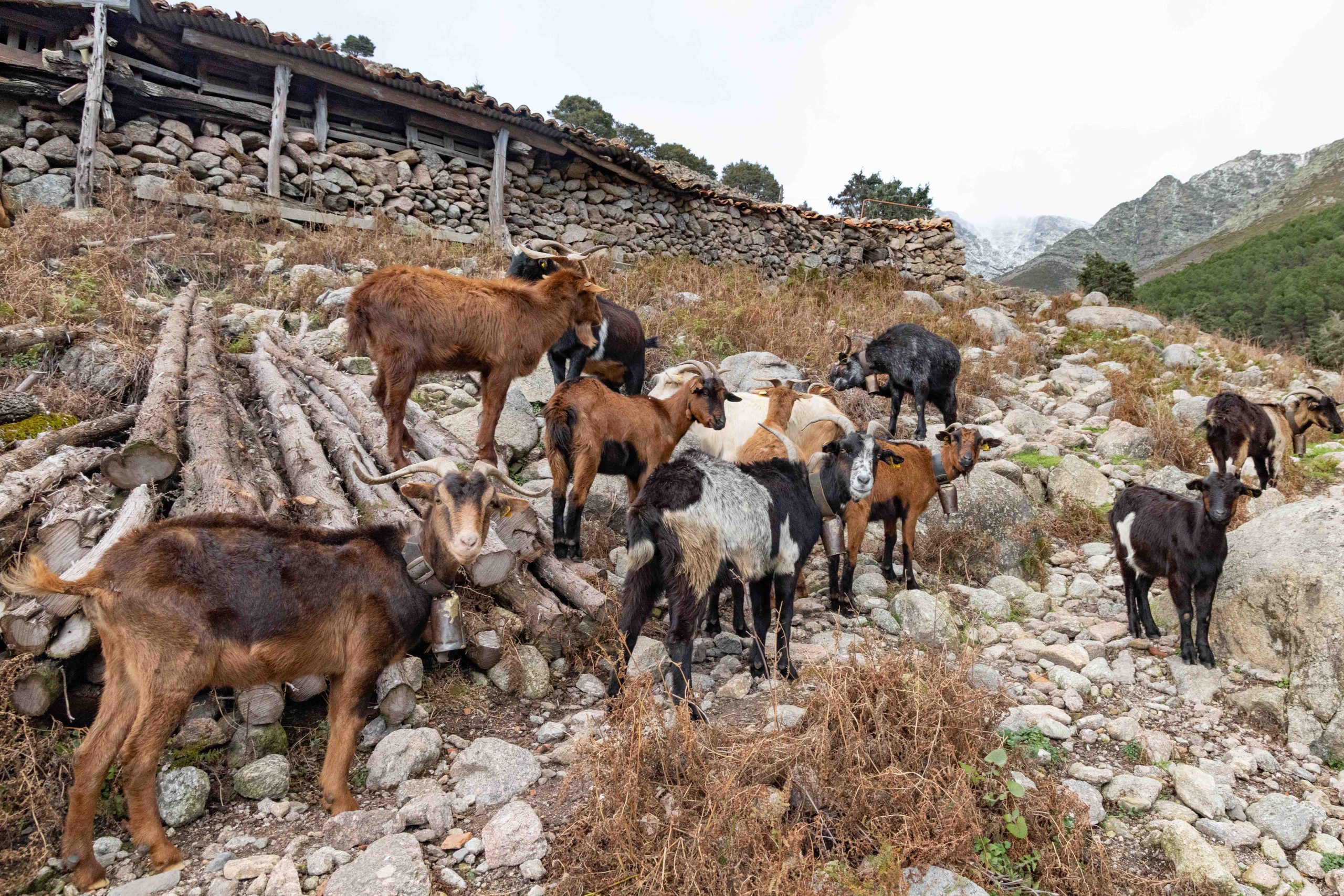
It conserves habitats, species and living rural landscapes through livestock farming that is compatible with the territory.
Extensive livestock farming
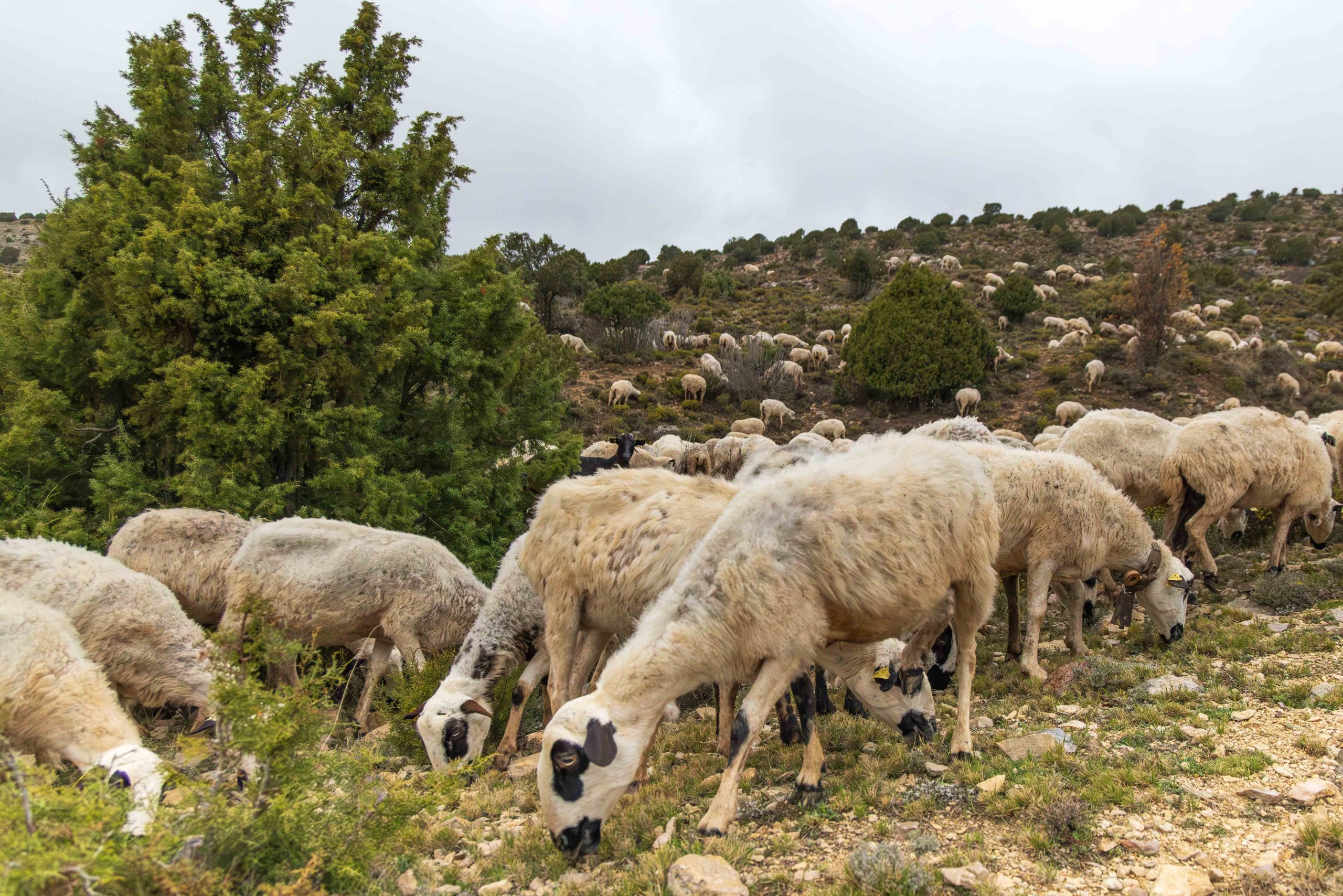
It supports a traditional model based on pastures, natural cycles, mobility and sustainable use of local resources.
Fair price
It reduces intermediaries and improves the profitability of producers, linking food quality and preservation.
Pro-Biodiversity Brand
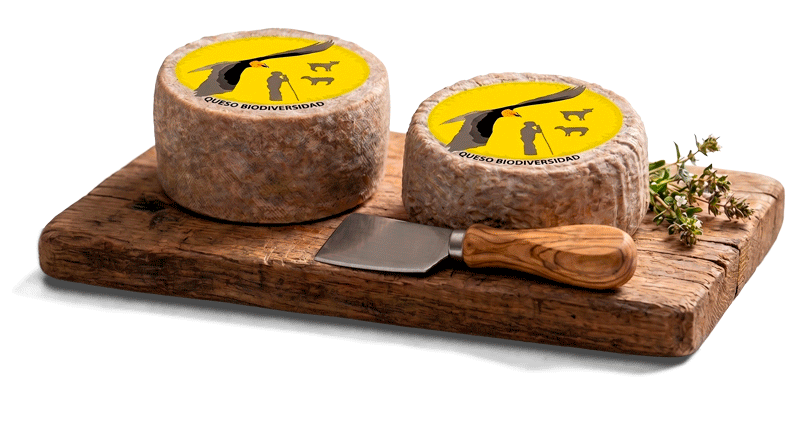
A registered trademark since 2011. Pro-Biodiversity is a registered trademark of the Bearded Vulture Conservation Foundation.
Short supply chain marketing. Their model minimizes intermediaries thanks to collaboration with food distribution platforms and the Paradores de Turismo network. In this way, producers obtain a fairer price and the relationship between producer and consumer is strengthened.
Commitment to the land. Livestock farmers affiliated with Pro-Biodiversity adhere to a code of conduct focused on production quality, animal welfare, and biodiversity protection. Their herds are managed respecting their natural cycle, with a diet based on mountain pastures and coexistence with wildlife.
Networking. This model is possible thanks to the collaboration between farmers, processing centers, distributors and the Bearded Vulture Conservation Foundation itself.
Certified guarantee. All Pro-Biodiversity products are subject to a quality system certified by an independent body, which covers the entire process, from livestock grazing to the marketing of the final product.
Extensive livestock farming
A living landscape. When a forest is abandoned, it quickly becomes scrubland. The landscape becomes impoverished, biodiversity decreases, and the risk of fires increases.
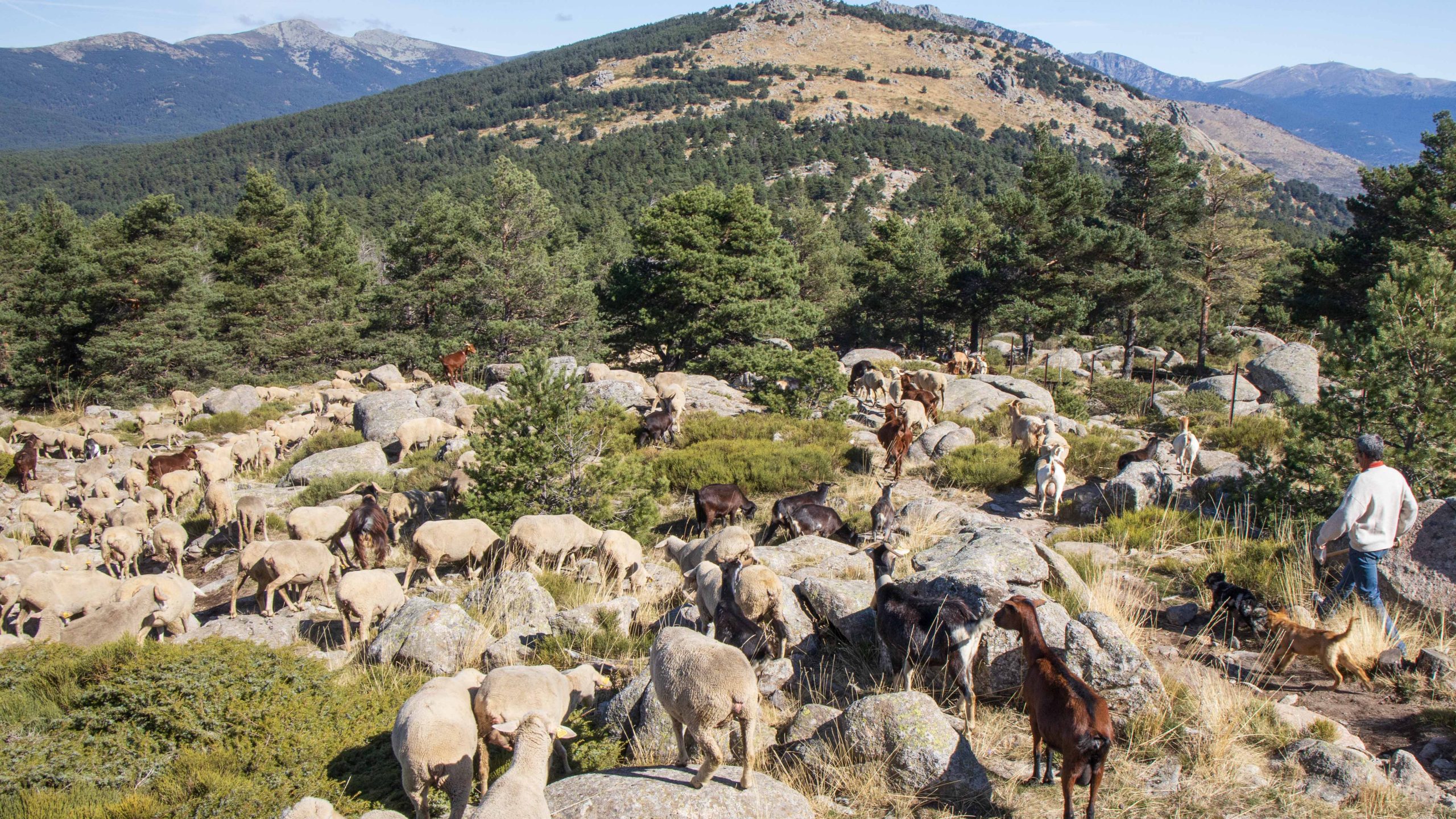
Environmental benefits. Extensive livestock farming is based on the use of resources according to the natural cycle. It controls vegetation growth, reduces fuel load in forests, keeps pastures and meadows open, preserves a mosaic of habitats, provides food for scavenging birds of prey, conserves the landscape, and improves animal welfare.
Social and economic value. It also contributes to maintaining the socio-economic fabric in the most disadvantaged rural areas, especially in mountainous regions and other territories of low productivity, while producing healthy food with excellent organoleptic qualities.
A system at risk. Extensive sheep and goat farming is disappearing. To preserve it, it must also be profitable, and Pro-Biodiversity addresses precisely this challenge.
Animal Welfare Protocol
A genuine commitment to animal welfare. According to EU regulations, all animals must be free from hunger and thirst, discomfort, pain, injury and disease, freedom to express normal behavior, and freedom from fear and distress.
Extensive systems, specific challenges. In Spain, techniques for assessing animal welfare have been developed mainly for intensive production systems, while extensive systems have received less attention.
Environmental conditions. Although extensive animal husbandry can be considered beneficial from the point of view of animal welfare, it also presents specific challenges: uncontrolled pathologies, presence of parasites, malnutrition, variations in access to food or difficulty of direct monitoring and supervision.
Protection of livestock and working dogs. In areas with a persistent presence of wild carnivores, managing flocks with guard dogs is essential. Their well-being must be ensured at the same level as that of the livestock they protect.
Continuous improvement. The Pro-Biodiversity guarantee mark embraces these principles and obliges participating livestock farms to ensure the overall well-being of their flocks and working dog groups, always integrating the concept of continuous improvement.
The Bearded Vulture
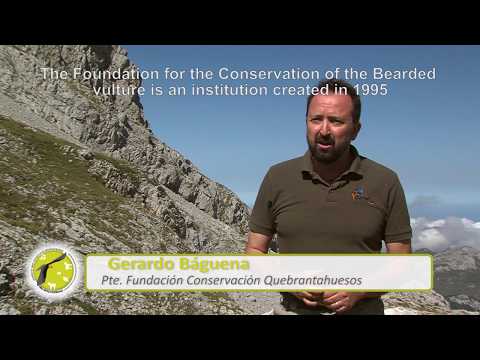
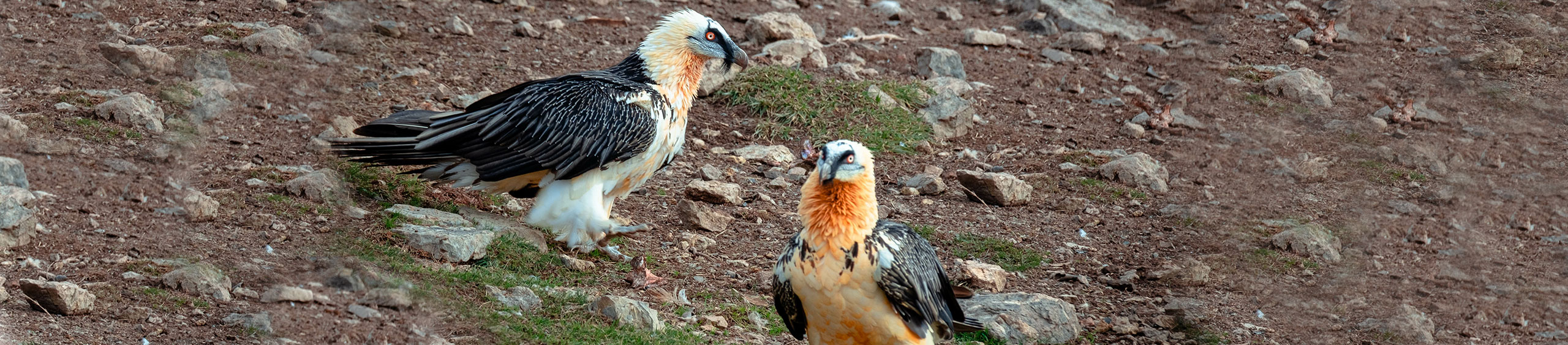
The FCQ (Foundation for the Conservation of the Bearded Vulture) works to conserve the bearded vulture, a unique species for being the only one on the planet that feeds exclusively on bones.
Until the beginning of the 20th century, it was common in most of the mountain range of the Iberian Peninsula, but the widespread use of poison and direct persecution brought it to the brink of extinction.
The largest population in Europe is found in the Pyrenees, and it is being reintroduced to some mountain ranges within its former range. The Bearded Vulture Conservation Foundation works to ensure its conservation in the Pyrenees, the Cantabrian Mountains, the Sierra de Gredos, and the Sierra del Maestrazgo in Teruel.
To this end, in addition to reducing risks to the species, it promotes the maintenance of extensive sheep and goat farming, whose remains contribute to their diet.