

Pro-Biodiversidad
Marca de garantía que promociona la ganadería extensiva de ovino y caprino vinculada a la conservación de la biodiversidad y al desarrollo sostenible en el medio rural.
Un modelo que busca precios más justos para los ganaderos, productos de calidad y conservación activa del paisaje.
Pro-Biodiversidad
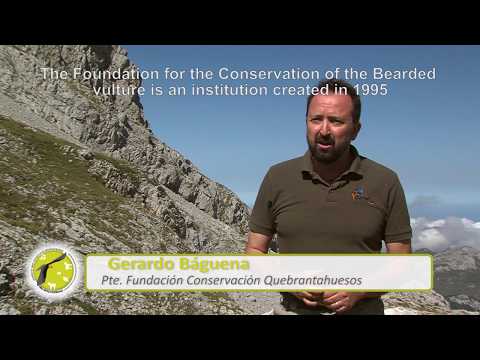
Pro-Biodiversidad desarrolla un modelo de comercialización más beneficioso y rentable para los ganaderos que operan bajo sistemas tradicionales extensivos, ofreciéndoles precios más justos acordes con la calidad de sus producciones y la singularidad de sus procesos de trabajo.
Biodiversidad
Conserva hábitats, especies y paisajes rurales vivos mediante una actividad ganadera compatible con el territorio.
Ganadería extensiva
Apoya un modelo tradicional basado en pastos, ciclos naturales, movilidad y aprovechamiento sostenible de los recursos locales.
Precio justo
Reduce intermediarios y mejora la rentabilidad de los productores, vinculando calidad alimentaria y conservación.
Marca Pro-Biodiversidad
Una marca registrada desde 2011. Pro-Biodiversidad es una marca registrada por la Fundación para la Conservación del Quebrantahuesos.
Comercialización de circuito corto. Su modelo reduce al mínimo los intermediarios gracias a la colaboración con plataformas de distribución alimentaria y con la red de Paradores de Turismo. De este modo, los productores obtienen un precio más justo y se fortalece la relación entre productor y consumidor.
Compromiso con el territorio. Los ganaderos adheridos a Pro-Biodiversidad asumen un código de conducta centrado en la calidad de la producción, el bienestar animal y la protección de la biodiversidad. Sus rebaños se gestionan respetando su ciclo natural, con alimentación basada en pastos de montaña y en convivencia con la fauna silvestre.
Trabajo en red. Este modelo es posible gracias a la colaboración entre ganaderos, centros de transformación, distribuidores y la propia Fundación para la Conservación del Quebrantahuesos.
Garantía certificada. Todos los productos Pro-Biodiversidad están sometidos a un sistema de calidad certificado por un organismo independiente, que abarca todo el proceso, desde el pastoreo del ganado hasta la comercialización del producto final.
Ganadería extensiva
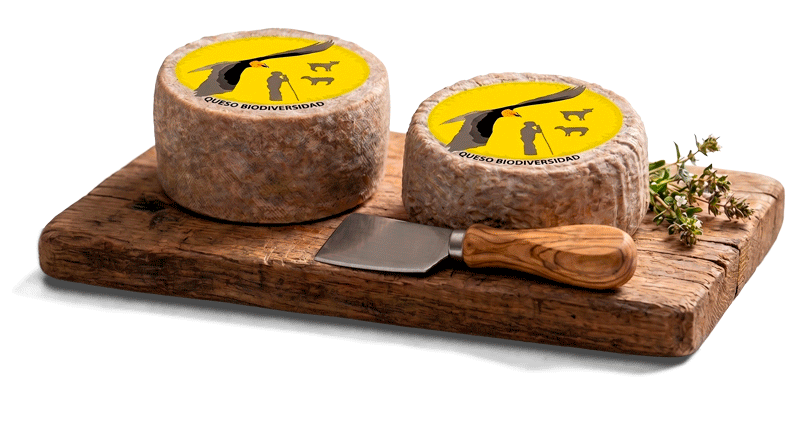
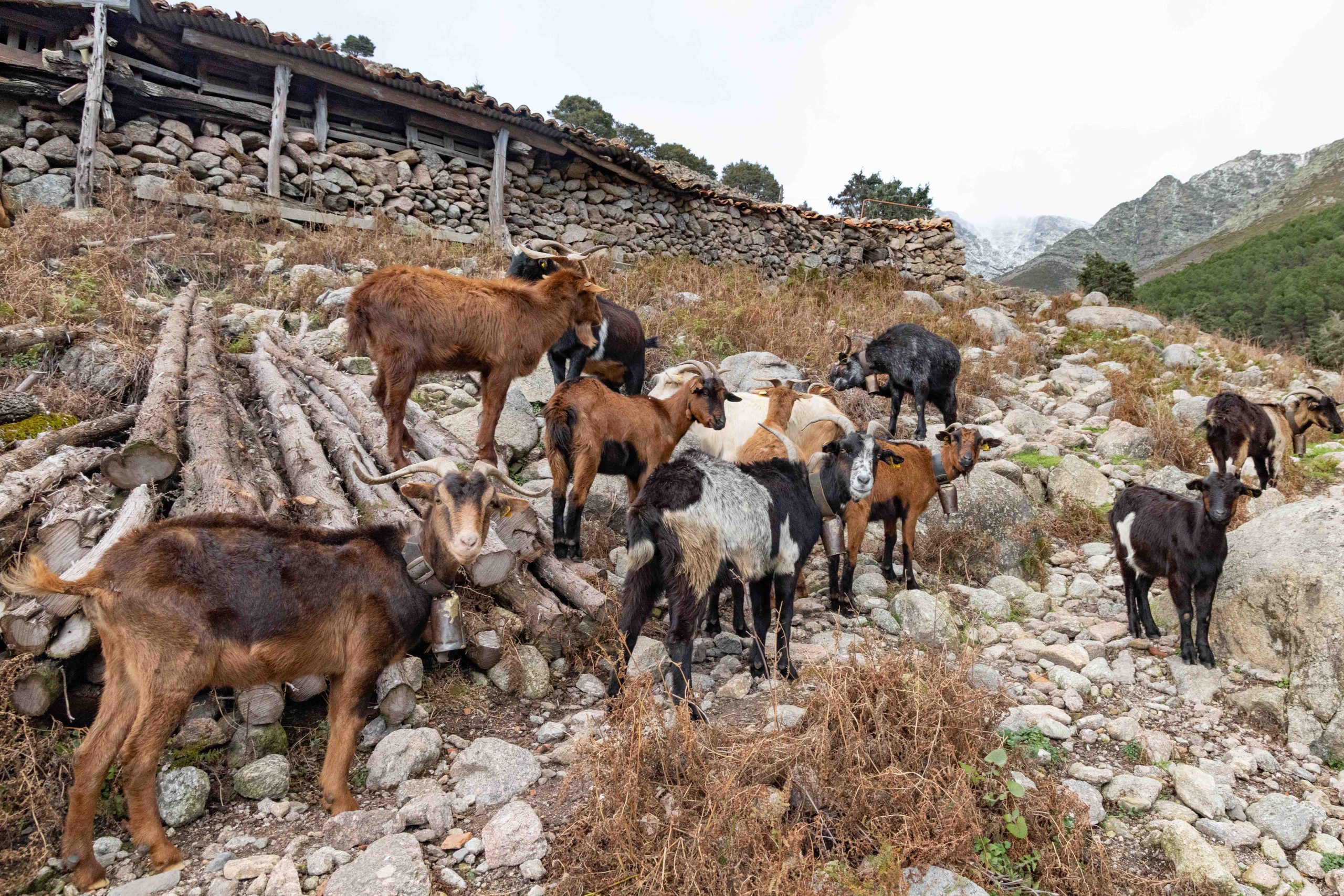
Un paisaje vivo. Cuando un bosque se abandona, rápidamente se convierte en matorrales. El paisaje se empobrece, la biodiversidad disminuye y el riesgo de incendios aumenta.
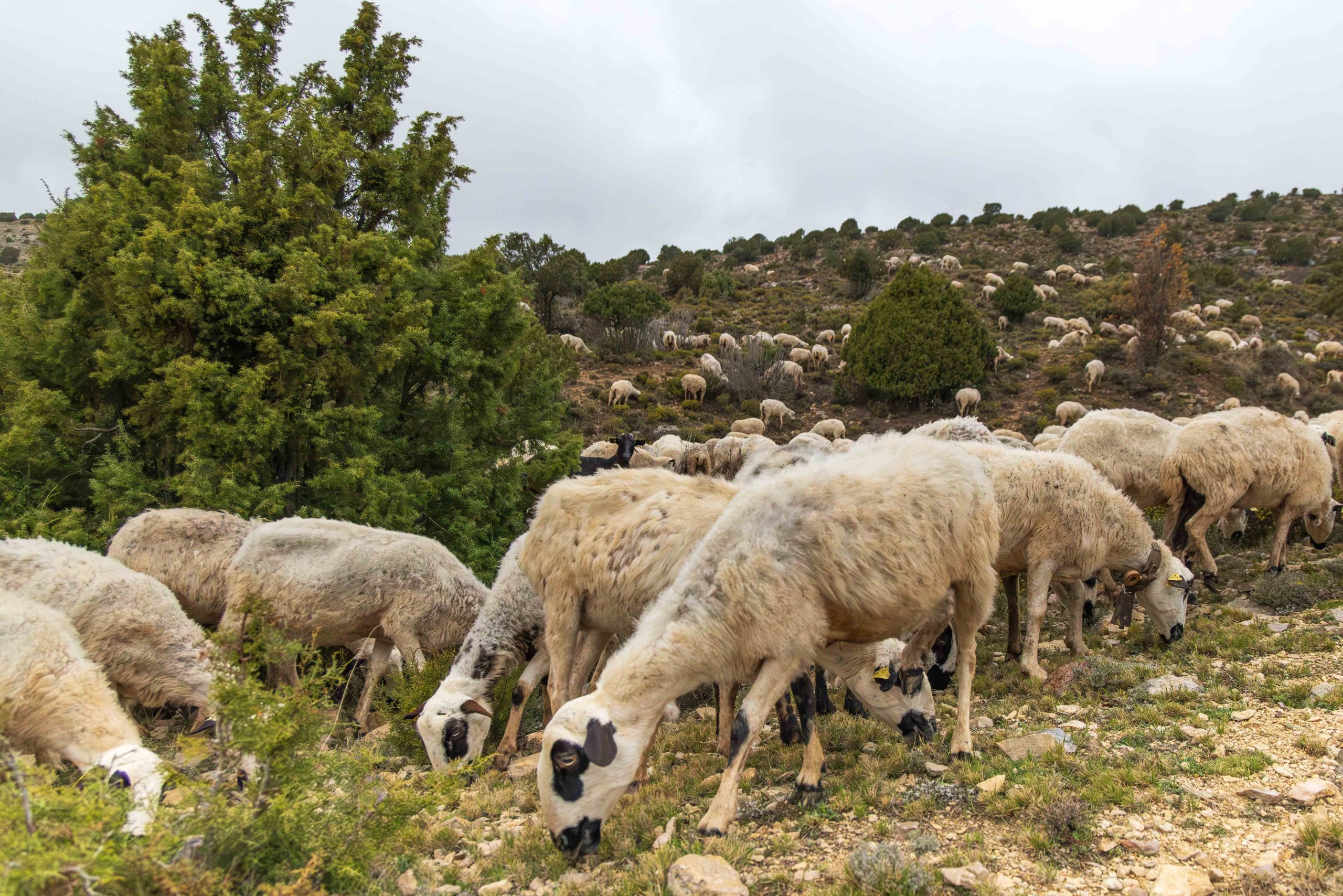
Beneficios ambientales. La ganadería extensiva se basa en el uso de los recursos según el ciclo natural. Controla el crecimiento de la vegetación, reduce la carga de combustible en los bosques, mantiene abiertos los pastos y prados, preserva un mosaico de hábitats, proporciona alimento a las aves rapaces carroñeras, conserva el paisaje y mejora el bienestar animal.
Valor social y económico. También contribuye a mantener el tejido socioeconómico en las zonas rurales más desfavorecidas, especialmente en las regiones montañosas y otros territorios de baja productividad, a la vez que produce alimentos saludables con excelentes cualidades organolépticas.
Un sistema en riesgo. La ganadería extensiva de ovejas y cabras está desapareciendo. Para preservarla, también debe ser rentable, y Pro-Biodiversidad aborda precisamente este desafío.
Protocolo de Bienestar Animal
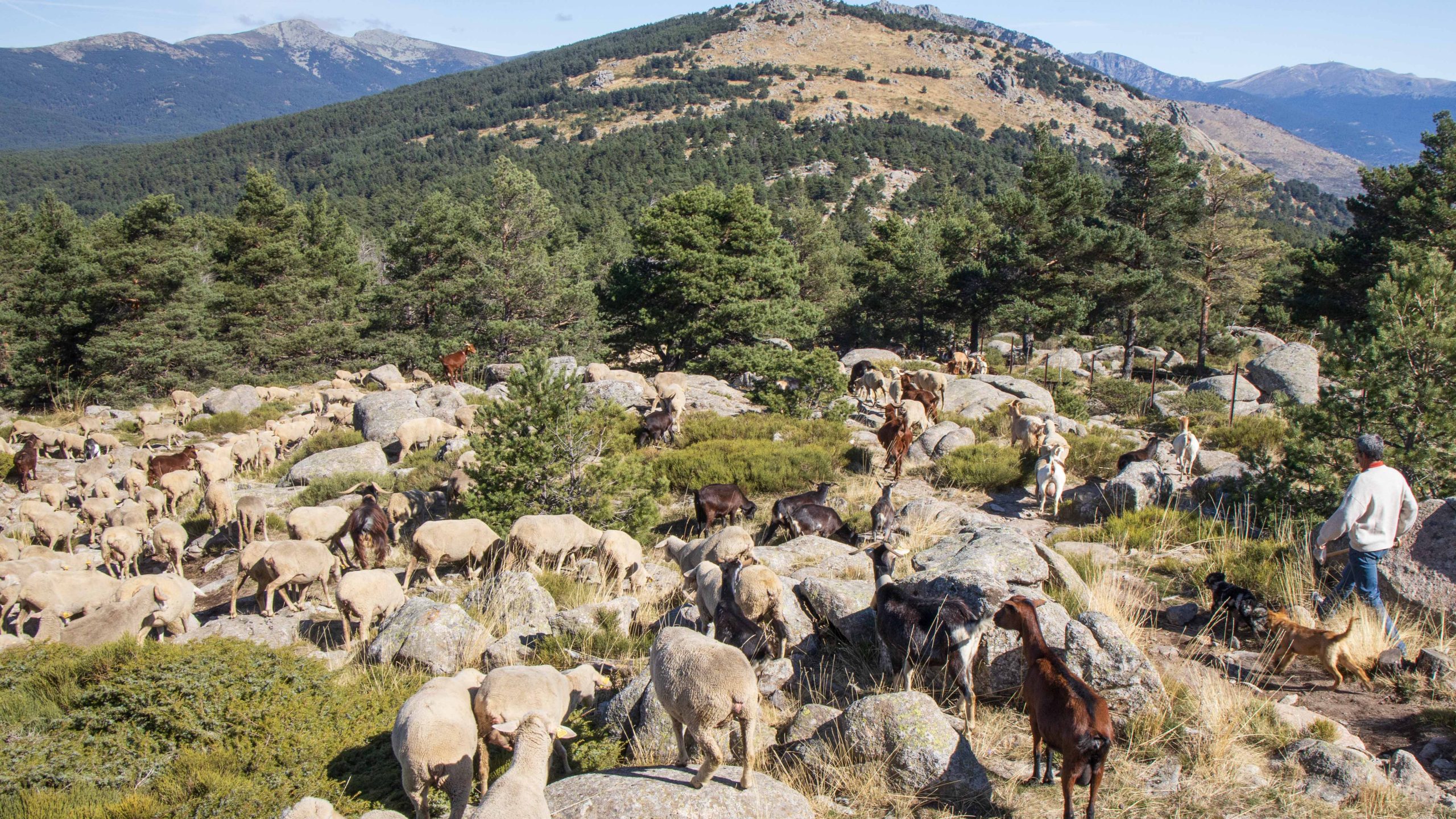
Un compromiso real con el bienestar animal. Según las normas de la UE, todos los animales deben disfrutar de ausencia de hambre y sed, ausencia de molestias, ausencia de dolor, heridas y enfermedades, libertad de expresar un comportamiento normal y ausencia de miedo y angustia.
Sistemas extensivos, retos específicos. En España, las técnicas para evaluar el bienestar animal se han desarrollado principalmente para sistemas de producción intensiva, mientras que los sistemas extensivos han recibido menos atención.
Condiciones del medio. Aunque la cría de animales en régimen extensivo puede considerarse beneficiosa desde el punto de vista del bienestar animal, también presenta retos específicos: patologías no controladas, presencia de parásitos, malnutrición, variaciones en el acceso al alimento o dificultad de seguimiento directo y supervisión.
Protección del ganado y de los perros de trabajo. En territorios con presencia persistente de carnívoros silvestres, el manejo de rebaños con perros de guardia es esencial. Su bienestar debe asegurarse al mismo nivel que el del ganado que protegen.
Mejora continua. La marca de garantía Pro-Biodiversidad asume estos principios y obliga a las ganaderías adheridas a velar por el bienestar general de los rebaños y de los grupos de perros de trabajo, integrando siempre el concepto de mejora continua.
El Quebrantahuesos
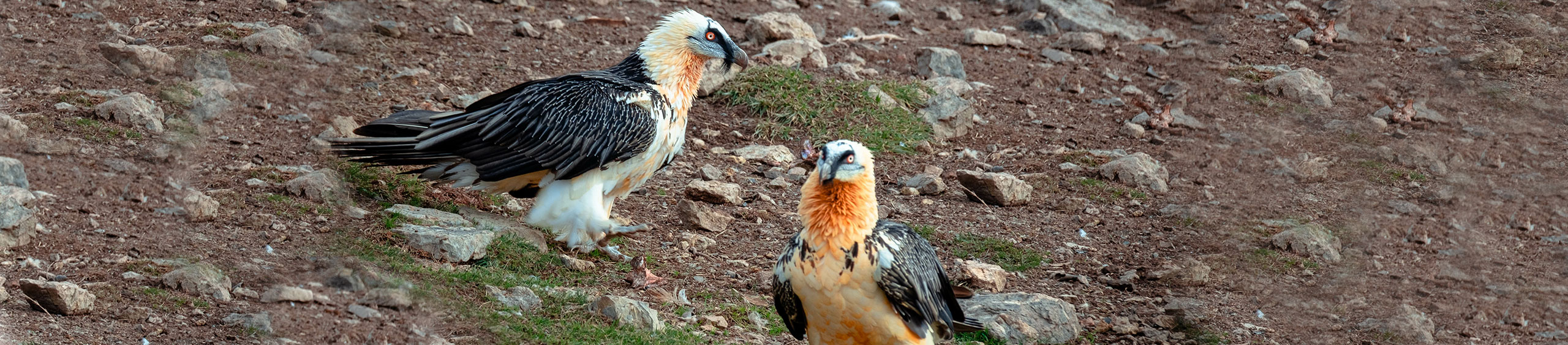
La FCQ (Fundación para la Conservación del Quebrantahuesos) trabaja para conservar al quebrantahuesos, una especie singular por ser la única del planeta que se alimenta exclusivamente de huesos.
Hasta principios del siglo XX, era común en la mayor parte de la sierra de la Península Ibérica, pero el uso generalizado de veneno y la persecución directa lo llevaron al borde de la extinción.
La mayor población de Europa se encuentra en los Pirineos, y se está reintroduciendo en algunas sierras de su antigua área de distribución. La Fundación para la Conservación del Quebrantahuesos trabaja para garantizar su conservación en los Pirineos, la Cordillera Cantábrica, la Sierra de Gredos y la sierra del Maestrazgo, en Teruel.
Para ello, además de reducir los riesgos para la especie, promueve el mantenimiento de la ganadería extensiva de ovejas y cabras, cuyos restos contribuyen a su dieta.